

A Comprehensive Guide to Choosing the Right Rural Fencing Materials
When it comes to safeguarding your rural property, the right fencing materials play a pivotal role. Whether you’re managing livestock, protecting crops, or marking property boundaries, durable and reliable fencing ensures your property is secure and efficient. But how do you choose the best material to suit your needs?
This guide delves into the benefits of popular rural fencing materials, from timber to barbed wire, and offers practical tips to ensure they last for years to come. By the end, you’ll have a clear understanding of which fencing type aligns best with your property’s unique requirements.
What Is Rural Fencing?
Rural fencing refers to boundary and enclosure systems specifically designed for agricultural and rural settings. Rural fences can secure livestock, protect crops, and provide privacy while withstanding harsh weather conditions and heavy use. Crafted from durable materials, rural fencing is built to serve functional and aesthetic purposes.
What Are the Different Rural Fencing Materials?
Rural fencing materials come in various forms, each with unique strengths suited to specific environments and needs. When considering the different rural fencing options, here are some of the most popular styles:
Timber Fencing
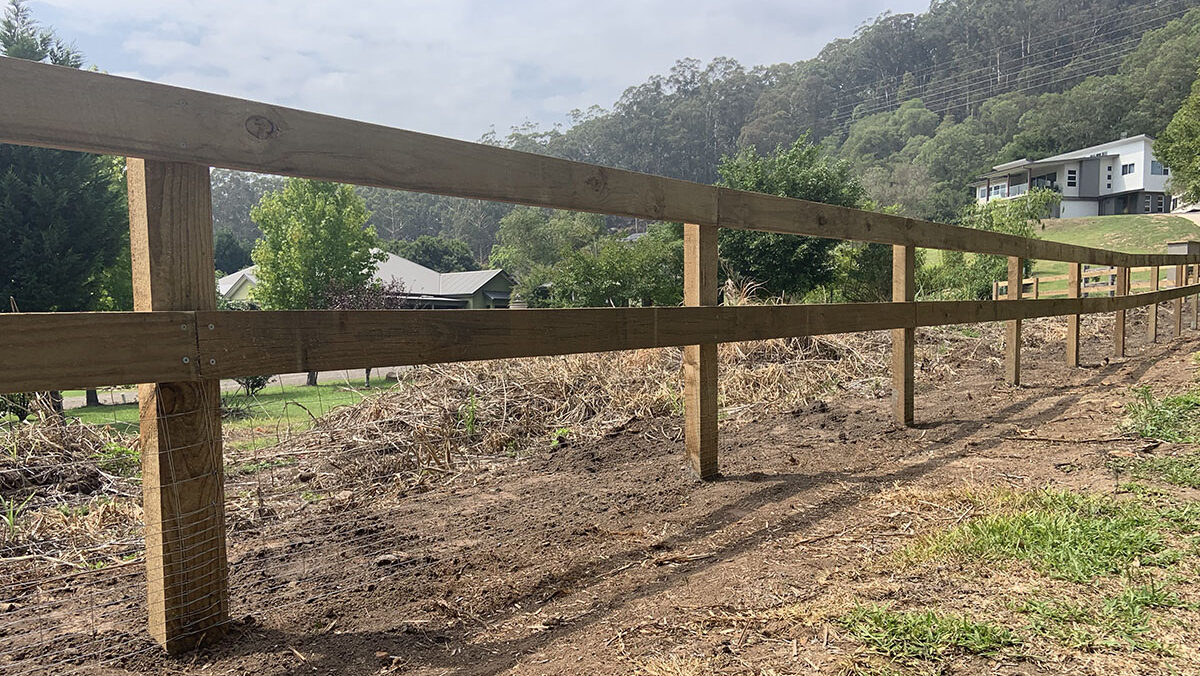
Timber fencing offers timeless appeal, perfect for traditional farm settings. Its natural aesthetic complements rural landscapes while providing flexibility in design. Properly treated timber can resist rot, pests, and weathering, offering excellent longevity.
Steel Wire Fencing
Steel wire fencing is a durable and versatile option, ideal for containing livestock and handling tough environmental conditions. Galvanised or coated steel resists rust, ensuring minimal upkeep over the years.

Barbed Wire Fence
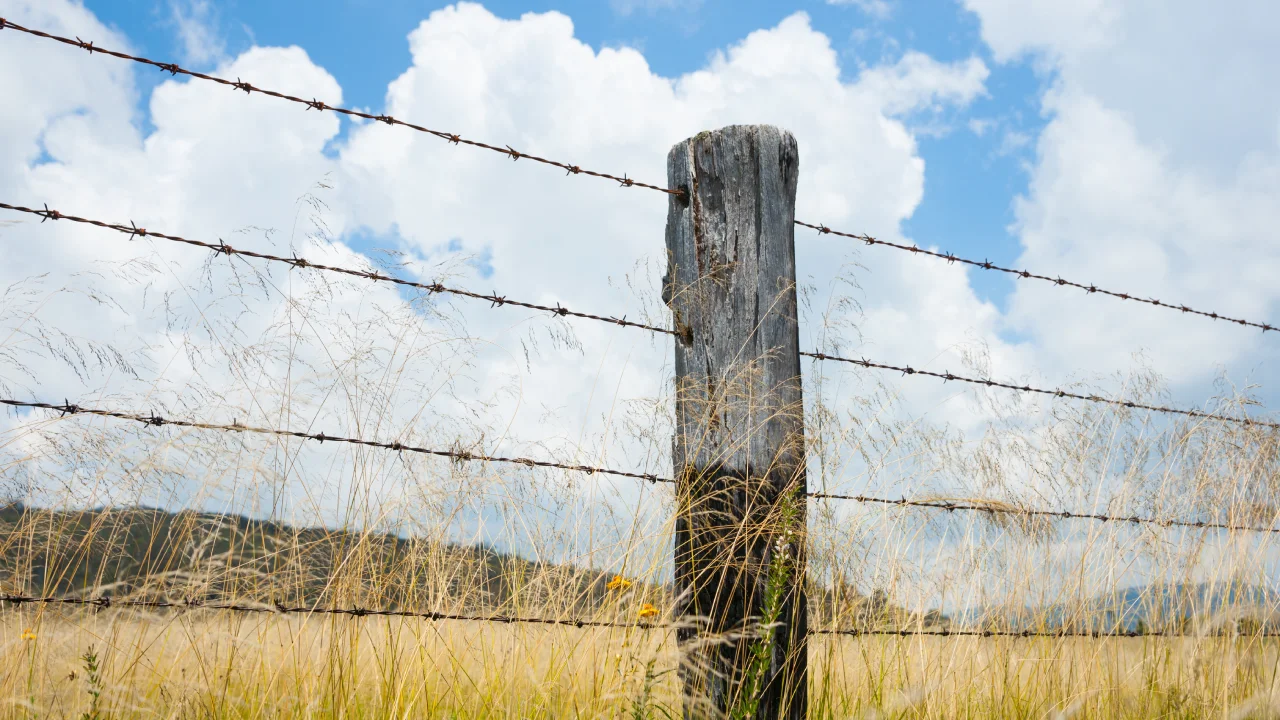
Barbed wire fencing is an efficient choice for livestock containment, particularly over large properties. Its sharp edges deter animals from crossing, making it a secure and cost-effective solution.
What Are the Key Benefits of Different Rural Fencing Materials?
Timber Fencing Benefits
- Aesthetic Appeal: Timber fences add timeless charm, blending seamlessly with the rural landscape.
- Customisation: Easily tailored to suit specific heights, styles, and designs for a personalised look.
- Longevity: When properly treated, timber fences withstand the test of time, offering excellent long-term value.
Maintenance Tip: To maintain the lifespan of timber fences, treat them with UV-resistant coatings and weatherproof sealants. Inspect for cracks, rot, or pest damage regularly, and reapply protective treatments as needed to maintain durability and appearance.
Steel Wire Fencing Benefits
- Strength and Durability: Ideal for containing large livestock and handling daily wear and tear on farms.
- Weather Resistance: Galvanised steel stands strong against rust and harsh weather conditions.
- Low Maintenance: Its durable nature means steel wire fencing requires minimal upkeep, making it cost-effective over time.
Maintenance Tip: Look for signs of wear, regularly check for sagging wires, loose connections, or damaged posts. Clear vegetation around the fence to prevent moisture build-up, and ensure you’re using galvanised or high-tensile steel for optimal performance.
Barbed Wire Fencing Benefits
- Efficiency: Barbed wire is highly effective for securing large areas with minimal effort.
- Deterrence: Its sharp edges discourage livestock from challenging the fence.
- Durability: Designed to endure tough rural conditions, barbed wire fencing performs well with little maintenance.
Maintenance Tip: Inspect barbed wire regularly for broken or loose sections. Tighten sagging wires to maintain tension and replace worn or damaged areas promptly to ensure continued effectiveness.
Additional Considerations When Choosing Rural Fencing Materials
When selecting fencing materials, keep these factors in mind to find the perfect fit for your property:
Cost and Budget
Timber fences may have a higher upfront cost but offer long-term value with proper maintenance. Steel wire and barbed wire provide cost-effective solutions for large areas, thanks to their durability and low maintenance requirements.
Environmental Factors
- Terrain: Steel wire adapts well to uneven or sloped land, making it a practical choice for challenging terrain.
- Weather: Galvanised steel resists rust in wet climates, while UV-treated timber excels in dry regions.
Purpose
- Livestock Containment: Steel wire and barbed wire fences are reliable for ensuring livestock safety.
- Privacy: For a solid boundary, timber fencing provides better coverage and visual appeal.
- Temporary Use: Lightweight options like plastic fencing work well for short-term projects.
Rules and Regulations
When installing rural fencing, it’s essential to comply with local regulations. In New South Wales, many fences qualify as exempt development, provided they meet specific rural fencing guidelines such as height restrictions and boundary placement. Key considerations include:
- Height Limits: Fences up to 1.8 metres are often allowed without approval.
- Boundary Placement: Ensure the fence stays within property lines and doesn’t block public access.
- Wildlife Safety: Use materials and designs that avoid harming native wildlife.
Secure Your Property with Confidence
Choosing the right rural fencing material is essential for ensuring your property’s security, functionality, and long-term value. Whether you prefer the classic charm of timber, the resilience of steel wire, or the practicality of barbed wire, there’s a perfect solution to meet your needs.
At Avoca Beach Fencing, we provide reliable rural fencing solutions tailored to your property. Explore our wide range of options or contact our experts for personalised advice. Take the first step toward securing your rural property with confidence today.


