

Before You Dive In…
Installing a pool is an exciting upgrade, but it comes with serious safety responsibilities. One of the most important? Making sure your fencing complies with current laws. Whether you’re building new or upgrading an old fence, understanding the rules is essential. In this guide, we’ll break down everything you need to know about pool fencing regulations in Australia, especially for Central Coast homeowners.
What Are Pool Fencing Regulations?
Pool fencing regulations are legal safety standards that ensure all residential pools are safely enclosed to prevent accidents and protect young children.
In Australia, pool fencing is regulated at the state level, which means homeowners must follow local rules, like those set out by the NSW Government. For Central Coast residents, these rules are particularly important because pool safety inspections are regularly carried out by local council authorities.
If you’re unsure about your legal obligations, speak with experienced fencing contractors like Avoca Beach Fencing who stay up to date with current legislation.
1. Fence Height & Gaps: The Basics You Need to Know
Here are the minimum legal standards for any pool fence in New South Wales:
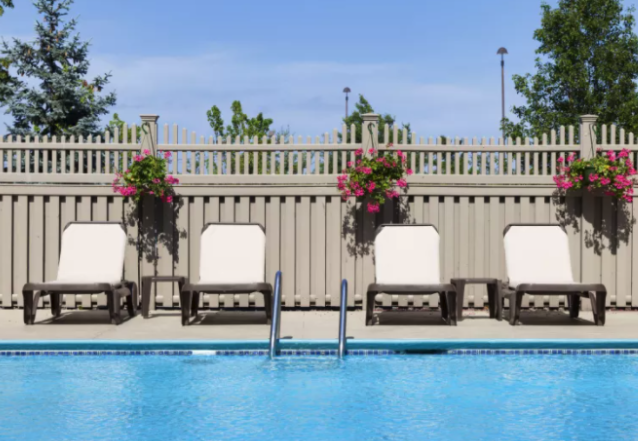
- The fence must be at least 1.2 metres high from the finished ground level
- The gap between the bottom of the fence and the ground must be less than 100mm
- Vertical bars must be spaced so that a 100mm sphere cannot pass through
- If a boundary fence forms part of the pool barrier, it must be at least 1.8 metres high
These rules are designed to ensure children can’t climb over, under or squeeze through the barrier. You can read the full NSW government guidelines on pool safety and owner obligations.
2. Pool Gates: What the Law Requires
Pool gates are just as important as the fence itself, and they must comply with specific rules to be legal.
Here’s what the regulations require:
- Self-closing mechanism – Gates must close automatically from any open position
- Self-latching device – Latch must engage automatically upon closing
- Latch height – The latch must be at least 1.5 metres above the ground
- Swing direction – Gates must open outward, away from the pool area
- No climbable objects – Items like BBQs, pot plants or chairs must be kept 900mm away from the outside of the fence or gate
Professional installers, like the team at Avoca Beach Fencing, understand the intricacies of these requirements and ensure that all gates are fitted to pass inspection without a hitch, offering Central Coast homeowners peace of mind and legal protection.
3. Climbable Zones & Landscaping Compliance
Many homeowners don’t realise that even your landscaping can affect whether your fence complies with regulations.
Avoid these common mistakes:
- Trees or shrubs with branches that kids could use to climb
- Garden beds that elevate the ground level, reducing the fence height
- Lattice panels, trellises or other climbable structures near the fence line
- Raised decks or outdoor furniture placed too close to the barrier
In NSW, a 900mm non-climbable zone applies to the outside of the fence. For Central Coast homeowners, this means checking gardens and outdoor areas carefully to ensure compliance.
4. Exemptions & Portable Pools: What Many Homeowners Miss
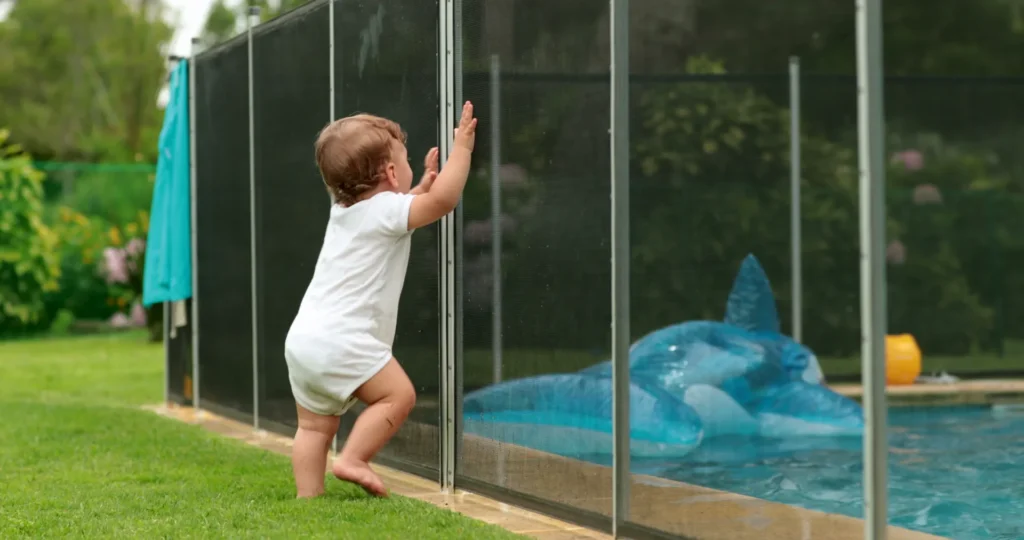
Did you know that even inflatable or portable pools must meet fencing laws if they can hold more than 300mm of water?
That means:
- Kiddie pools and above-ground pools often require fencing
- Pool covers and supervision do not replace legal barriers
- Indoor pools or spas may also require fencing unless completely enclosed by lockable walls and doors
There are very few exemptions, so it’s best to assume fencing is required unless stated otherwise. For Central Coast pool owners, this often catches people out when setting up temporary pools during summer. Always check with your local council or review the NSW regulations for clarity.
If you’re located in Queensland or own property there, keep in mind that laws differ slightly; Queensland’s pool safety laws are worth reviewing in detail.
5. Certificates of Compliance: What You’ll Need When Selling or Leasing
If you plan to sell or lease a property with a pool, your fencing must be certified as compliant.
Here’s what that involves:
- Booking an inspection with a certified pool inspector
- Receiving a Certificate of Compliance if everything passes
- Fixing any issues and re-inspecting if it doesn’t
- Displaying your certificate when leasing or attaching it to sale contracts
If your pool fence is older, don’t assume it’s still compliant with current regulations. Laws have changed over time, and older fences may need updating. For Central Coast property owners looking to sell or lease, arranging a pre-sale inspection or an upgrade with Avoca Beach Fencing can help avoid delays and ensure legal readiness.
Stay Safe and Compliant With Avoca Beach Fencing
Understanding pool fencing regulations is key to keeping your family safe and avoiding legal trouble. From minimum height rules to gate requirements and landscaping do’s and don’ts, there’s a lot to consider.
At Avoca Beach Fencing, we design and install fully compliant pool fences across the Central Coast. Whether you’re building from scratch or replacing a non-compliant setup, we’re here to help you get it right the first time.
Need expert advice or a site inspection? Contact us today to make your pool fence safe, stylish, and fully legal.


