

Rural fencing is a critical component of property protection, especially in regional areas like the Central Coast. Whether the goal is to secure livestock, mark boundaries, or prevent unwanted access, the right fencing system enhances both functionality and value.
In this article, we’ll examine the practical reasons for installing rural fencing and identify the most effective options based on property type and use case.
What Is Rural Fencing?
Rural fencing is any boundary or internal fencing used to manage land, animals, and access on properties outside urban zones.
Common applications:
- Containing livestock
- Demarcating property boundaries
- Protecting crops and assets
- Complying with local council or bushfire regulations
Key Reasons to Install Rural Fencing for Property Protection
1. Security and Access Control
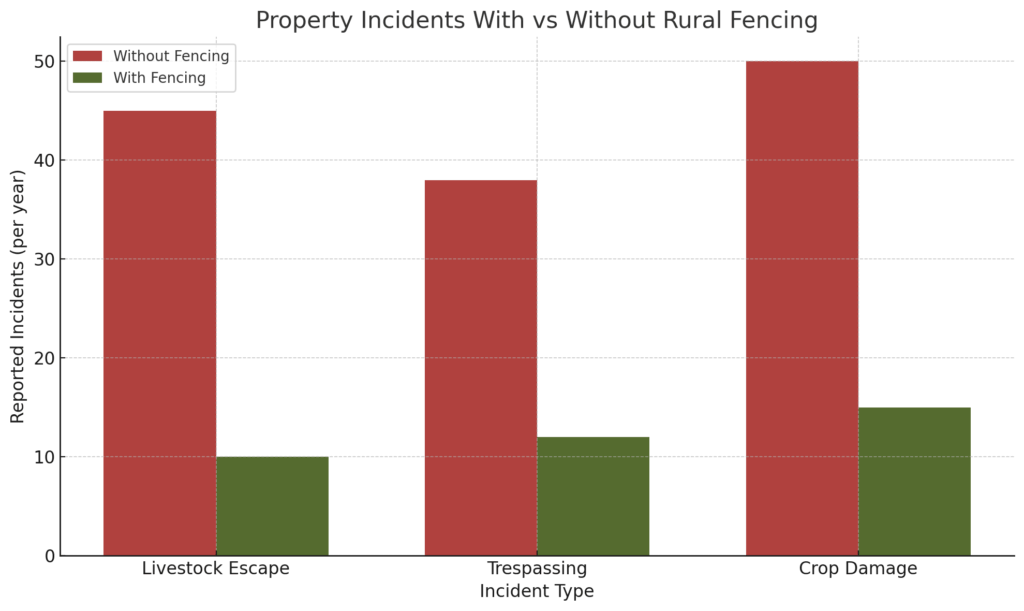
Rural fencing prevents unauthorised access, reducing risks like theft, vandalism, or illegal dumping, which are common in remote or partially developed areas.
2. Livestock and Pet Containment
Proper fencing prevents animals from escaping or being harmed by predators or vehicles, especially in bush-adjacent zones.
3. Wildlife Exclusion
Kangaroos, foxes, and feral animals pose threats to livestock and crops. The right fence system reduces intrusion and damage.
4. Compliance and Liability
Clear fencing helps avoid boundary disputes and aligns with NSW planning rules, especially for bushfire-prone or rural-zoned land.
Central Coast-Specific Fencing Considerations
Climate & Geography:
- High salt exposure in coastal areas → corrosion risk
- Bushfire zones → need for flame-resistant materials
- Sloped land → fencing must adjust for gradients
Wildlife:
- Frequent kangaroo crossings
- Foxes are common in rural residential zones
- Bushland interfaces create pressure points
Types of Rural Fencing & Protection Rating
| Fence Type | Protection Level | Best For | Maintenance | Cost Estimate (AUD/m) |
|---|---|---|---|---|
| Post & Rail | ★★★★☆ | Livestock, boundaries | Low | $60–$90 |
| Barbed Wire | ★★★☆☆ | Cattle, perimeter security | Moderate | $40–$60 |
| Electric Fencing | ★★★★★ | Livestock control, deterrent | High | $80–$120 |
| Chain Wire / Mesh | ★★★★☆ | Wildlife, general protection | Low | $55–$75 |
Step-by-Step: How to Choose the Right Rural Fence
- Define your purpose
Livestock, privacy, boundary compliance, or security? - Assess your property
Look at slope, vegetation, wind exposure, and access points. - Check council requirements
Use the NSW exempt development rules for compliance. - Evaluate budget vs. durability
Cheaper options may require more long-term maintenance. - Seek expert advice
Local providers understand the environmental and legal challenges specific to the Central Coast.
Contact Avoca Beach Fencing & Gates to book a site consultation.|
Real Examples from Central Coast Properties
| Property Type | Challenge | Fencing Solution | Outcome |
|---|---|---|---|
| Small acreage block | Kangaroo damage to gardens | Mesh wire with timber posts | Wildlife access reduced by 90% |
| Rural home near bush | Fire zone requirements | Post & wire with steel posts | Council compliant & low fire risk |
| Hobby farm | Sheep escaping via broken fencing | Electric fencing with solar unit | Zero escapes post-installation |
Conclusion: Secure Your Property with the Right Rural Fence
Rural fencing isn’t just a boundary—it’s a critical safety and compliance feature. For Central Coast properties, the right fence:
- Controls livestock and pet movement
- Deters wildlife and intruders
- Reduces liability
- Increases property value
Avoca Beach Fencing & Gates provides tailored rural fencing solutions built to suit the local climate, terrain, and regulations.
Contact us today to protect your property with expert-installed fencing.


